




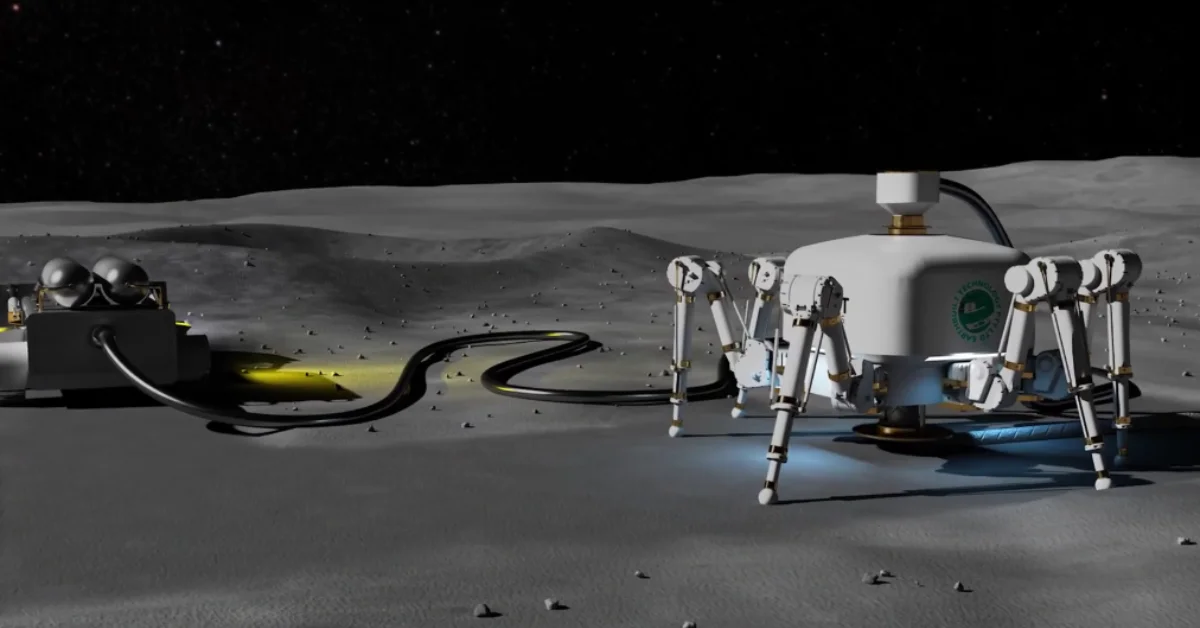
A six-legged robot named Charlotte, developed by Crest Robotics and Earthbuilt Technology, was showcased in Eveleigh, highlighting how robotics and 3D printing could shape the future of sustainable housing on Earth and beyond.
Revolution in Construction Technology
Charlotte, a semi-autonomous machine, merges robotics with 3D printing to build structures directly from raw materials. It was unveiled during the 76th International Astronautical Congress in Sydney, one of the world’s major gatherings for space innovation.
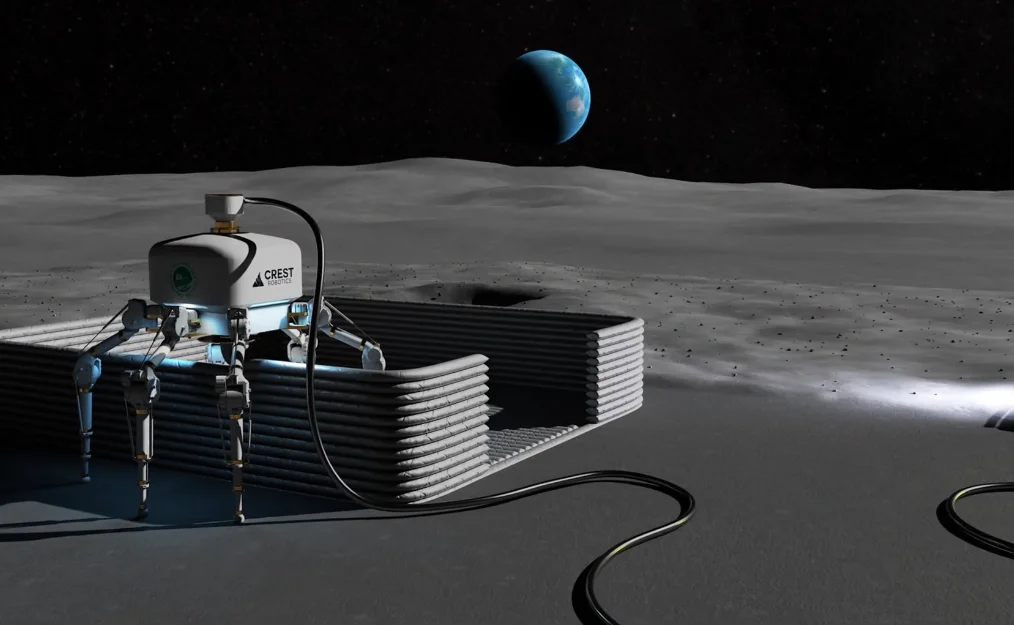
The robot’s design draws inspiration from the movement of spiders, allowing it to straddle walls and print layer by layer without the need for scaffolding. Developers said this design helps it adapt to uneven ground and operate efficiently in diverse environments.
Built for Speed and Efficiency
Charlotte is capable of constructing a 200-square-metre home within 24 hours. Its performance is estimated to equal the output of more than 100 bricklayers.
Instead of traditional concrete, the robot uses a cement-free combination of sand, crushed brick, and recycled glass. The mix forms fire-resistant and flood-resistant walls that harden within three days, producing a durable, stone-like surface.
By combining manufacturing, transport, and assembly into one process, Charlotte removes multiple stages of conventional building. This reduces energy use, material waste, and carbon emissions while lowering construction costs.
Research-Driven and Locally Supported
The project has been supported through the Space+ program, which backs Australian technology connecting space research and advanced manufacturing. The team behind Charlotte — Crest Robotics and Earthbuilt Technology — said the goal is to create an efficient and environmentally sustainable alternative to traditional construction.
Researchers from the University of Sydney have also noted that automation could ease labour shortages and help smaller teams manage larger projects by reducing repetitive and hazardous work.
Responding to Industry Challenges
Developers see Charlotte as part of a broader shift toward automation in the Australian building industry. The robot is being developed in response to long-standing challenges such as labour shortages, stagnant productivity, and the need to cut carbon emissions.
Other local innovators, such as Contour3D and Contec Australia, have also been exploring large-scale 3D printing to speed up residential builds and improve sustainability.
Extending Innovation Beyond Earth
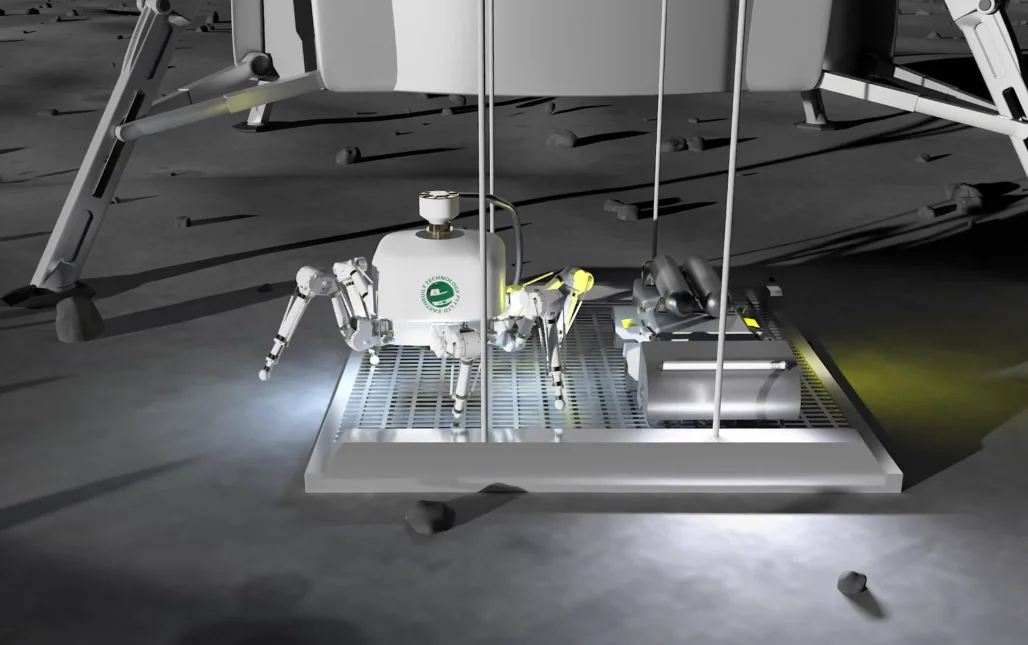
Beyond domestic use, Charlotte’s creators are working on adapting the technology for space applications. Its lightweight and foldable structure make it suitable for building research shelters and infrastructure on the Moon.
The concept aligns with future space programs such as NASA’s Artemis missions, which aim to establish human presence on the lunar surface later this decade. Developers believe advancing robotics in extreme environments could make construction on Earth faster and more resilient.
Public Reactions and Future Outlook
Public reactions have ranged from enthusiasm to scepticism. Some observers praised the project for offering faster and more affordable housing, while others questioned its impact on jobs in the construction industry.
Charlotte remains in the prototype stage, but the technology has already drawn global interest. If developed successfully, it could mark a turning point in how sustainable homes are built in Eveleigh and across Australia — and eventually, beyond Earth.
Published 3-Oct-2025


