




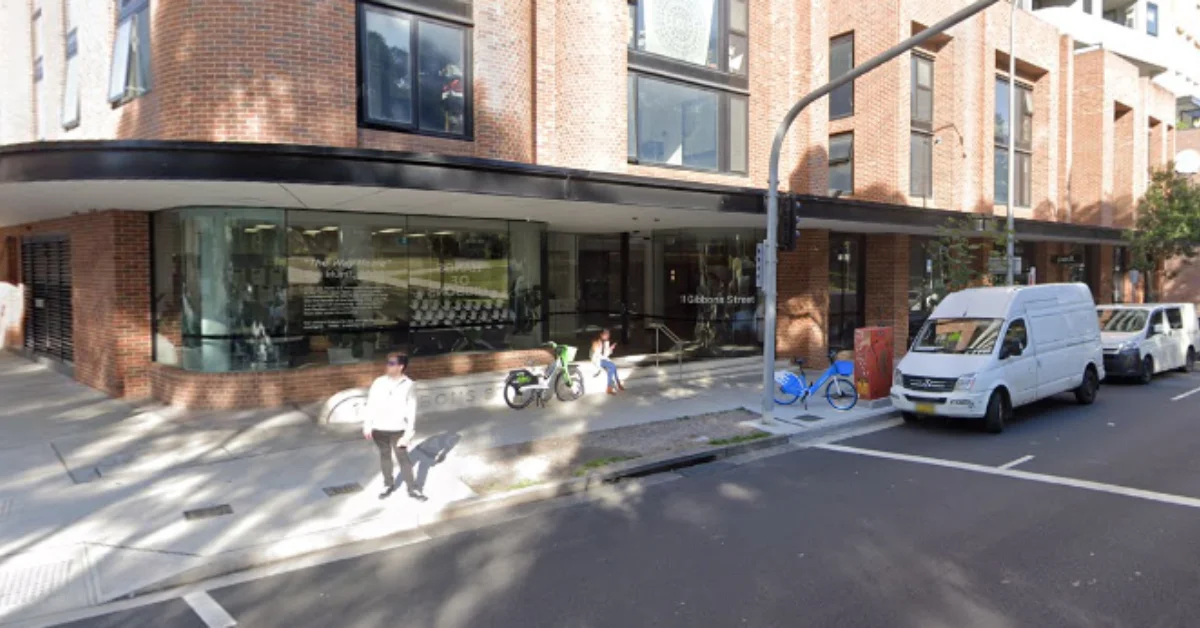
Residents at a Redfern social housing block say they have lodged repeated complaints about illegal squatters taking over vacant spaces, raising concerns about safety and the condition of shared areas.
Read: Bourke Street Site Expands to 580 Apartments Under New Plan
Tenants at the complex, managed by St George Community Housing (SGCH), said unauthorised occupants have moved into vacant units, storage rooms, and shared common areas. Used syringes have been found in communal spaces, and residents have raised concerns about the general state of stairwells and other areas being used by people who should not be there.
One long-term resident said he had called police on multiple occasions to have squatters removed, only to watch them return. He described feeling unsafe in his own home and said he had been assaulted on one occasion.
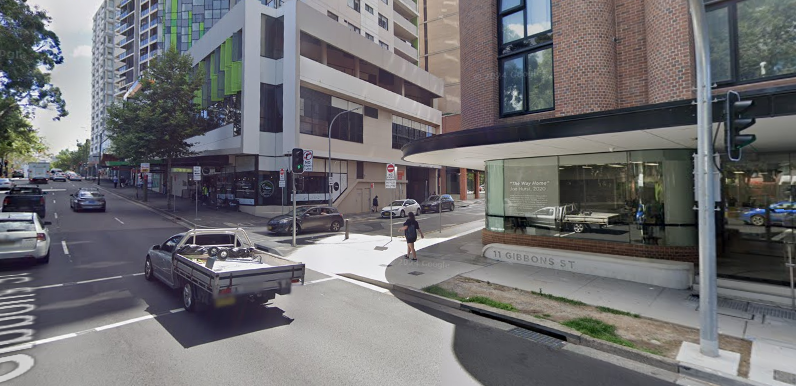
The physical state of the building has compounded the problem. The front security door has a broken lock that can be pushed open without a key, leaving the building effectively open to anyone. Residents say that while SGCH has made attempts to fix the door, squatters have continued to find ways back in.
At various points, a storage room intended for resident use was reportedly occupied by an unauthorised person, with bedding, clothing and other belongings found inside, suggesting the space had been used for an extended period. A separate open common area was also reportedly used for sleeping and drug use. Both spaces were later allegedly cleared by police and boarded up by SGCH, though residents said other unauthorised occupants have since been spotted elsewhere on the grounds. One unit was also boarded up after a squatter entered while the legal tenant was in hospital.
A System Under Pressure

The frustration goes beyond personal safety for some residents. With vacant rooms being taken over rather than allocated to people on the social housing waiting list, at least one resident said he had previously experienced homelessness himself, making the sight of empty units occupied by squatters particularly difficult to accept.
The NSW social housing waiting list stood at 69,051 people as of April, with wait times of two to five years for a one-bedroom property in inner-city Sydney, and up to ten years for a two-bedroom home. NSW authorities have also recorded a five per cent rise in rough sleeping over the past year, with 2,308 people sleeping without shelter in 2026.
SGCH receives close to $44 million in NSW public funding annually and manages around 7,000 homes across the state. A spokeswoman for the organisation acknowledged that the Redfern site had a long and complex history. She said SGCH was working within legal constraints alongside residents and police to manage the ongoing challenges, and stressed that the organisation remained present and committed to building a connected community.
Homes NSW, which contracts community housing providers like SGCH to deliver social housing services across the state, said the responsibility for repairs and safety rests with the managing housing provider. A spokesman said the safety and wellbeing of residents was paramount and that incidents involving unauthorised occupants were for the relevant provider to address.
NSW Housing Minister Rose Jackson said she was aware of the situation and acknowledged it was not straightforward. Addressing unauthorised occupancy, she said, required coordination between housing providers, residents and NSW Police, as well as a degree of sensitivity. Many people involved in such situations, she noted, may also be navigating mental health challenges or substance use issues alongside housing instability.
Read: Waterloo Tenants Told to Move Before New Homes Are Built
The situation in Redfern reflects a broader tension playing out across NSW. A critical shortage of social housing, a growing number of people sleeping rough, and community housing providers caught between legal obligations, limited resources and the day-to-day realities faced by residents paint a complicated picture with no easy answers.
For the people who live there, the experience is far more immediate. What residents say they want is straightforward: to feel safe where they live.
Published 3-June-2026