




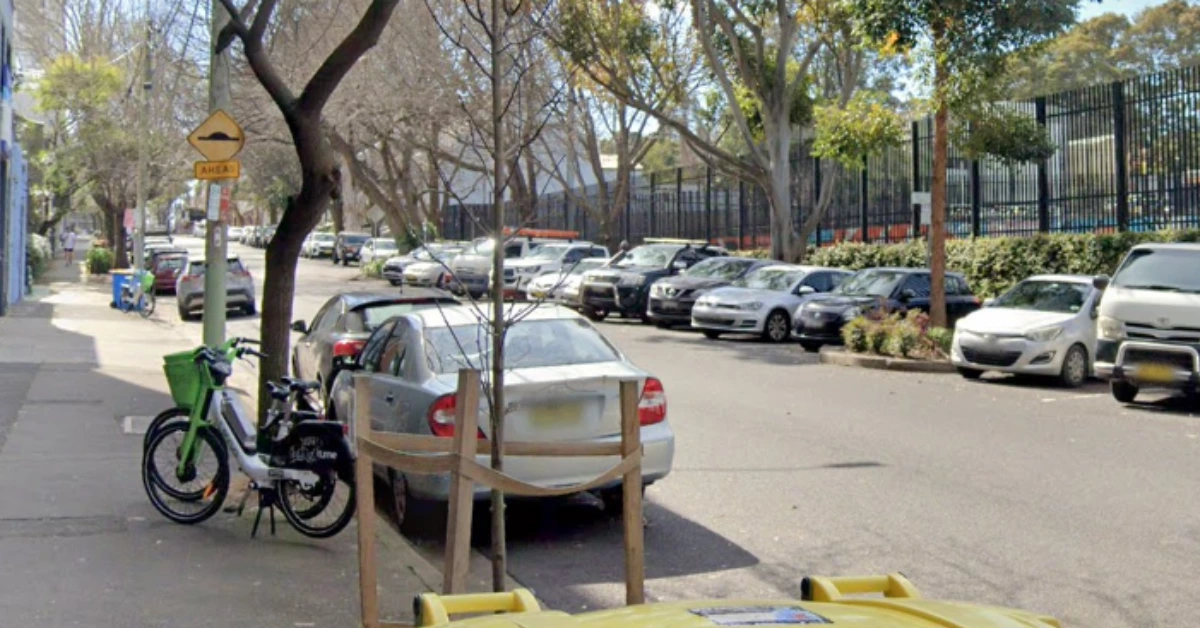
Waterloo is among the Sydney suburbs where the growing presence of share bikes has raised questions about footpath access, as the City of Sydney proposes reducing the number of bikes operating across its area from about 12,000 to 7,000.
Read: Walkability in Question: Erskineville’s Narrow Footpaths Debated
Dozens of share bikes have been seen gathered along a Waterloo footpath, with some obstructing pedestrian access. The scene reflects a wider challenge facing the city’s expanding bike-hire network: keeping the service available while ensuring pedestrians can move safely through public spaces.
Lord Mayor Clover Moore said City staff had recommended a cap of 7,000 bikes, compared with approximately 12,000 currently operating across the local area. The recommendation also calls for the number of operators to be limited to two.
The proposed reduction would remove around 5,000 bikes from the permitted fleet if the target is adopted in full. However, the final allocation has not yet been determined, and the proposed figure should not be mistaken for an already approved limit.
Moore outlined the recommendation in a Facebook post, explaining that the City had considered usage levels, the availability of designated parking and the need to preserve competition between operators. The popularity of the service is a significant part of the debate. Moore reported almost 700,000 share-bike trips across the City area during the previous month, covering approximately 1.5 million kilometres.
Those figures point to a substantial transport service that the City does not want to lose. Its challenge is to manage the number and distribution of bikes without allowing public footpaths to become informal parking areas.
“The cap strikes a balance between maintaining our public domain and ensuring the schemes are successful,” Moore said.
Parking remains a sticking point
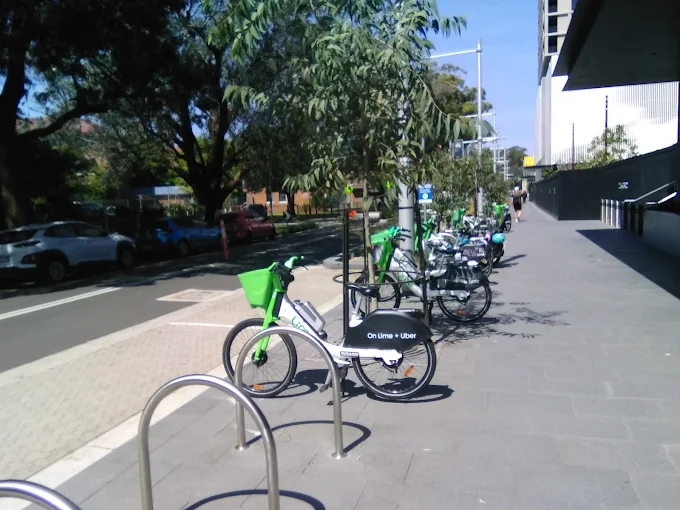
The City has already been working to provide more organised places for riders to leave their bikes. Moore said nearly 300 designated share-bike parking areas had been delivered, with additional locations intended to improve parking arrangements.
Her announcement follows years of calls for stronger regulation. Moore said she had been advocating for changes since 2017, when local authorities had limited powers to control the operations of share-bike companies.
A statewide regulatory framework was gazetted on 14 August 2026, introducing approval requirements for operators and a system of local authorisations. Transport for NSW is responsible for approving operators and determining fleet allocations, while local authorities can establish operating conditions, including designated parking areas and restrictions on where bikes can be used.
However, the City remains concerned about how effectively the new arrangements will address footpath obstruction.
One disputed provision concerns the three-metre boundary around designated parking bays. Under the rules described by the City, bikes can be considered within a parking bay when left within that distance of its boundary. The City has also raised concerns about the threshold for enforcement when several bikes from the same operator are left outside the permitted area.
The issue is particularly relevant to pedestrians who need clear pathways, including older people, people with disability and parents pushing prams. The City wants operators to take greater responsibility for monitoring their fleets, responding to complaints and removing damaged or incorrectly parked bikes. It also wants clearer arrangements for dealing with repeated parking breaches.
Fleet limits still need NSW approval
The proposed 7,000-bike target is part of a wider allocation process, rather than an immediate removal order. Under the NSW timetable, local authorities must nominate their fleet targets by 31 January 2027. Transport for NSW is then scheduled to notify operators of their maximum allocations by 28 February, with the new limits applying from 1 March 2027.
The allocation process also considers demand, fleet utilisation and operator performance. Consequently, the final number available in the City of Sydney area will depend on the state-level assessment.
The NSW framework also provides for per-trip fees paid by operators, with up to 60 cents going to Transport for NSW and up to 20 cents to the relevant local authority. The local component can help cover parking infrastructure, engagement and enforcement costs. In Waterloo, the proposed reduction is only one part of a wider effort to improve how share bikes occupy public space.
Read: New Cycleways and Paths Enhance Bike-Friendly Status of Alexandria and Erskineville
The City has acknowledged the value of the service, but its message is that popularity cannot come at the expense of pedestrian access. Whether the proposed fleet cap achieves that balance will become clearer as the new allocation and operating arrangements take effect in 2027.
Published 14-November-2026